Reading light before you raise the camera
Most of photography happens before the shutter. Learning to see light — its direction, softness and colour — is the habit that improves every frame.
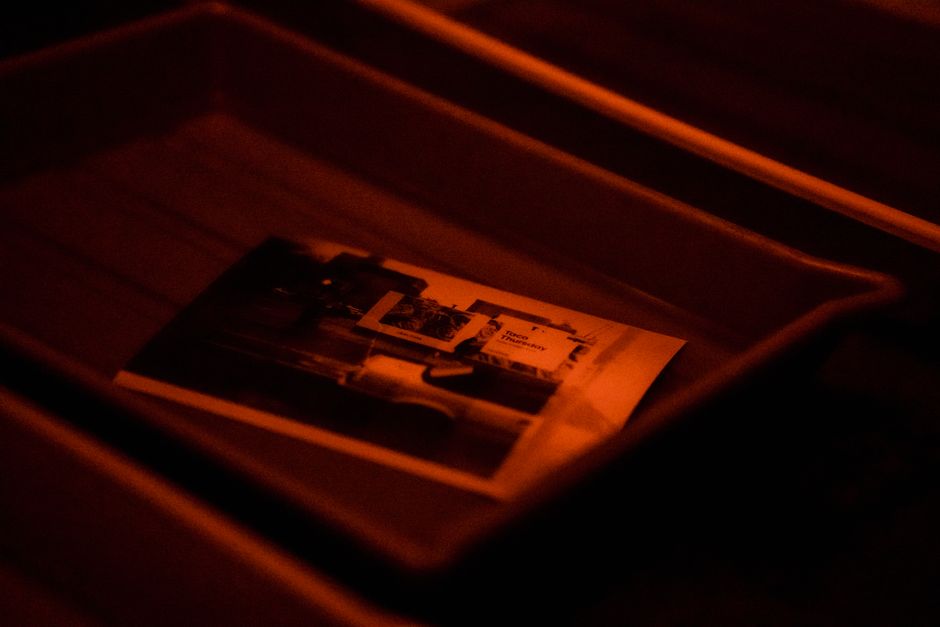
Beginners look for subjects and find light by accident. Experienced photographers do it the other way round: they find light they can work with and then wait for a subject to walk into it. That inversion is most of the difference, and it costs nothing to adopt.
Direction first
Front light flattens; side light sculpts; back light draws an outline. Walk a subject and watch how a single face changes as the light moves around it — it is the cheapest lesson in photography and almost nobody does it deliberately more than once.
Then quality, then colour
Hard light from a small source gives sharp shadows and drama; soft light from a large one gives gradation and calm. Colour is the third layer: the same street is a different photograph at noon and at dusk, and no amount of editing convincingly fakes the change.
Wait for it
A cloud, a passer-by, a shaft through a window — the picture often arrives a few seconds after you think it has. Patience is a lens you already own. Most missed photographs were abandoned about ten seconds too early.
Habits worth building
- Note where good light falls on your regular routes, and at what hour.
- Shoot the same scene at two different times rather than two scenes once.
- Learn your camera well enough to stop thinking about it.
- Review work a week later, not the same evening.
Craft is half of it. The other half is the part nobody photographs: invoicing, day rates and the long gap between delivering work and being paid for it. Anyone moving from stills into production work should read how production payments actually work before agreeing to a first shoot.
Photographers talk about this in our interviews.